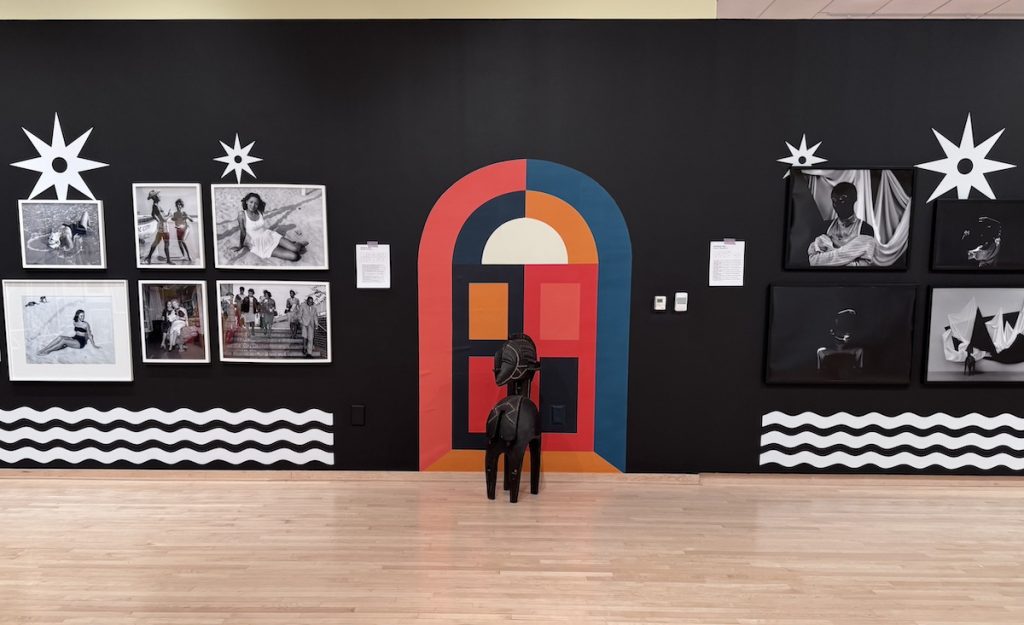

What if one of Philadelphia’s most incandescent cultural hubs never closed? Temple Contemporary’s new exhibition, Pyramid Club: 1937–2035, takes that question seriously—then turns it into an immersive, time-bending experience. On view September 5 to December 19, 2025, at the Tyler School of Art and Architecture (2001 North 13th Street), the show refracts the legacy of the historic Pyramid Club on Girard Avenue through archival recovery, speculative art, and North Broad Street sensibility.
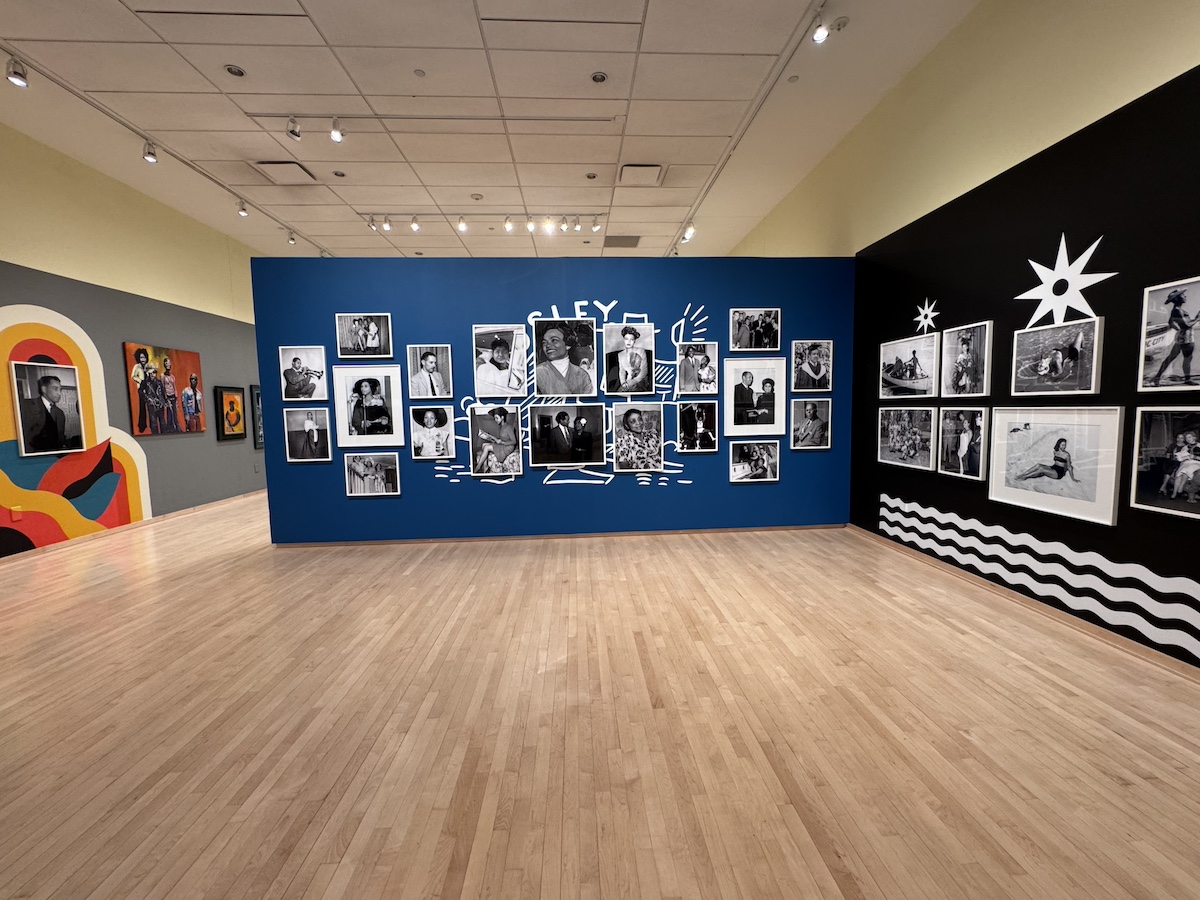
Curated by Dr. Matthew Jordan-Miller Kenyatta (Temple Contemporary’s Director of Exhibitions and Public Programs) in collaboration with the Charles L. Blockson Afro-American Collection and Paradigm Gallery + Studio, the exhibition stitches together 34 paintings by artists associated with the Pyramid Club from the William A. Dodd Collection, 35 photographs by the peerless Philadelphia photojournalist John W. Mosley (1907–1969), and new work by North Philadelphia polymath Shawn Theodore. It’s history as a portal: you enter to look back and discover you’re walking into tomorrow.

A club that bent the color line and defined a scene
From 1937 to 1963, the Pyramid Club at 1517 West Girard Avenue stood as one of the country’s most integrated cultural spaces during segregation. Curator and painter Humbert L. Howard organized exhibitions that helped launch or amplify artists, including Romare Bearden, Elizabeth Catlett, Jacob Lawrence, and Dox Thrash. The guest book reads like a syllabus for American arts and letters—Duke Ellington, Marian Anderson, Langston Hughes—alongside civic and scientific heavyweights from Rev. Dr. Martin Luther King Jr. to J. Robert Oppenheimer and Albert C. Barnes. The club’s annual art shows, lectures, and socials weren’t just events; they were a parallel institution, a place where Black excellence set the terms of its own visibility.
Pyramid Club is an archive that lets us see—and feel—what happened
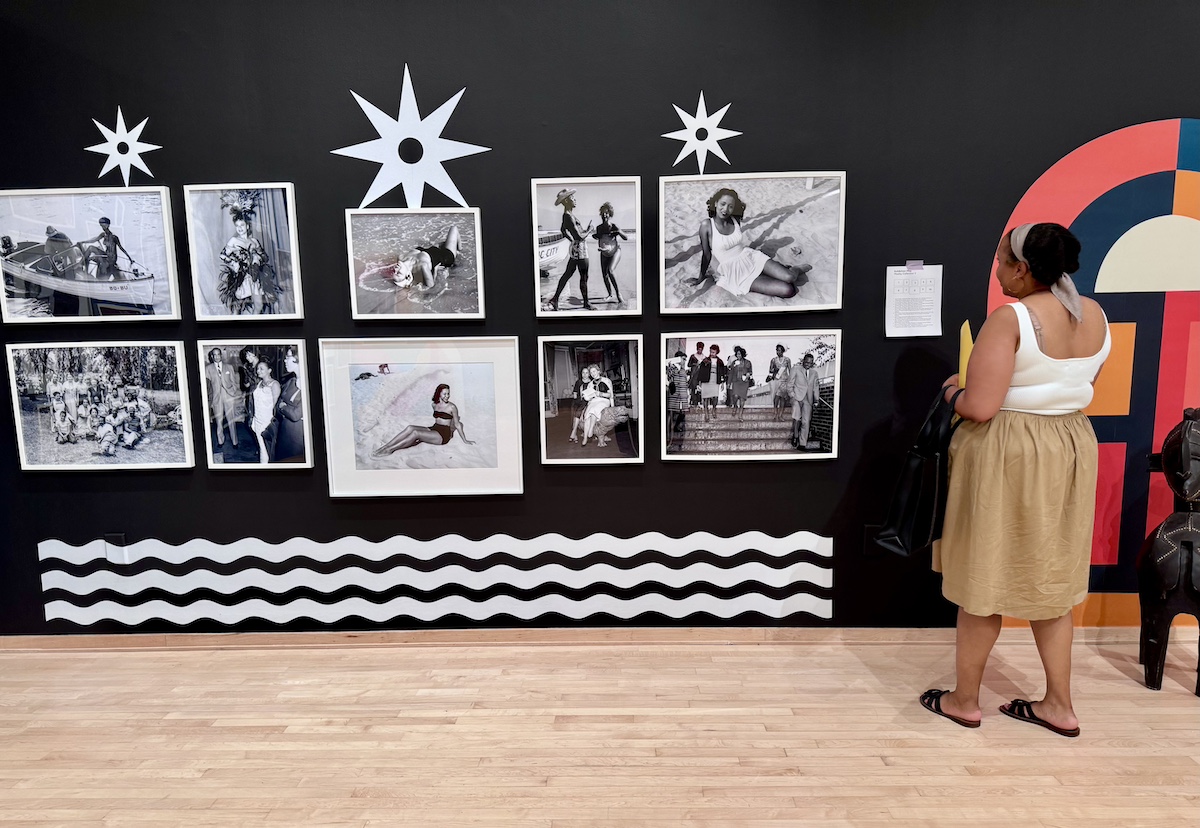
If Howard architected the Pyramid Club’s program, John W. Mosley made sure the culture had a memory. His photographs, preserved and championed by the Blockson Collection, capture both the spectacular and the everyday: the annual Pyramid Club Pictorials, Marian Anderson in luminous repose, summer leisure on Chicken Bone Beach, and the city’s Black social rhythms in motion. “This was an opportunity to show Black joy, Black rest, Black play, and Black beauty,” says longtime collaborator and archivist Leslie Willis-Lowry. Seen together with the Dodd paintings, Mosley’s images are less nostalgia than blueprint: proof that Philadelphia’s creative infrastructure has always been powered by community, rigor, and style.
Speculation as stewardship
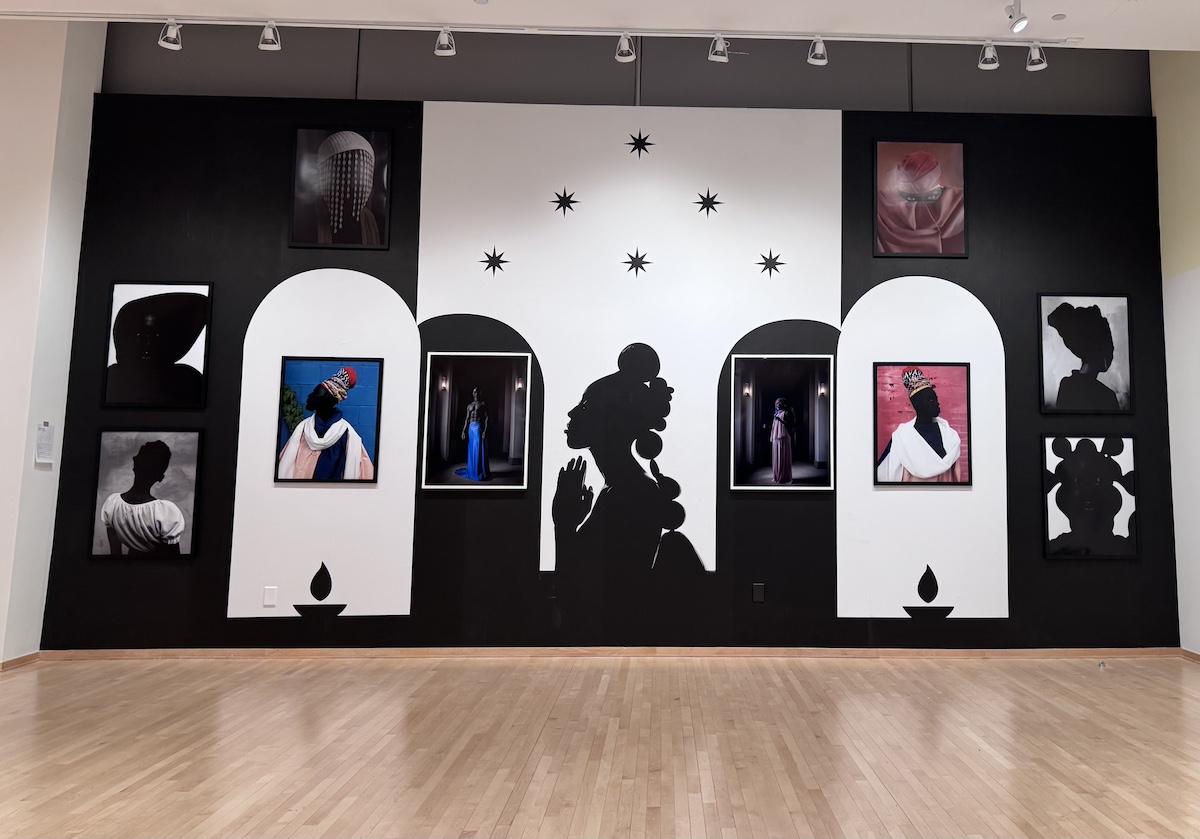
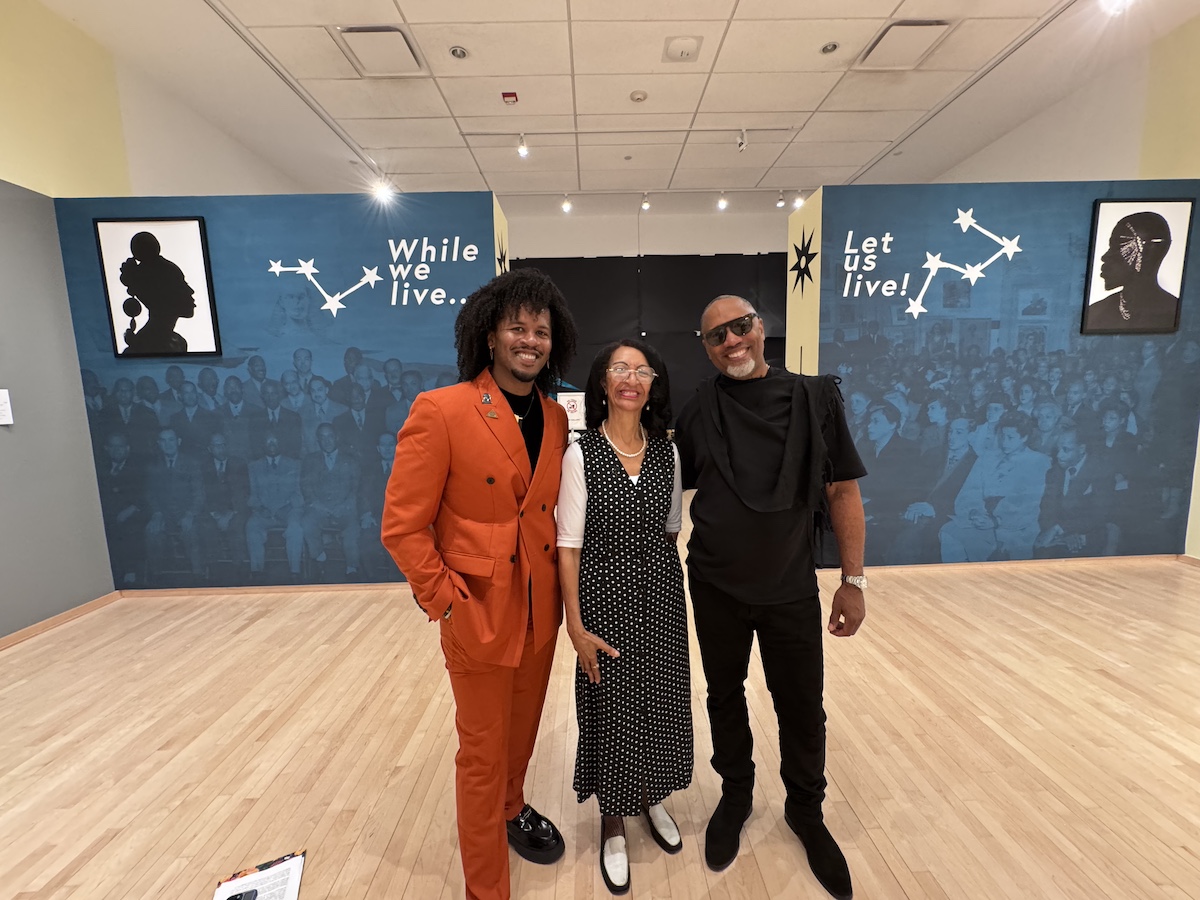
Enter Shawn Theodore, whose practice, he calls “Afromythology”, animates the show’s speculative arc. His installation operates like a candid séance for the corridor: ritual objects, photographs, and sonic signifiers that treat water as archive, vibration as memory, and Blackness as a prism rather than a monolith. Theodore describes the work as a “temporal refusal”—a way to reject the Pyramid Club’s 1963 closure and imagine its continuance. “This is not a nostalgia project,” he says. “It’s an invitation. The Pyramid Club is still with us, pulsing underfoot in the sidewalk cracks of Girard Avenue, waiting to be seen, reactivated, and loved forward.”
Kenyatta names his own curatorial approach “Afro-prismatic”—heritage as living infrastructure. The exhibition title’s 2035 horizon nods to North Broad’s ongoing revitalization efforts and asks what it would mean to design policy, public space, and cultural economy with the Pyramid Club’s DNA in mind. In other words: not a museumified past, but a civic brief for how we build the next arts district—grounded in the artists, archivists, and neighbors who have been here all along.
Pyramid Club: The people behind the pictures
The show is also the outcome of over 15 years of research and care. Collector Dr. William A. Dodd began assembling his collection in the early 2000s to surface overlooked Philadelphia artists of the 1930s–60s. Historian Dr. Diane Turner and archivist Leslie Willis-Lowry have shepherded Mosley’s legacy, ensuring the photographer’s work is accessible to scholars and the public alike. That collaborative backbone matters: dosage MAGAZINE readers know that in Philadelphia, the most durable projects are the ones built by many hands.
How to experience it
Temple Contemporary has transformed its gallery into what Kenyatta calls an “afromythic time machine.” You’ll encounter Humbert Howard at the fulcrum – literally – of the room’s geometry; paintings and photographs are arranged so that historic milestones converse with contemporary ritual. Expect to be invited – not just to look, but to listen, move, and imagine. Bring a friend who loves archives, and another who swears by the club; both will find themselves reflected.
About Post Author

Discover more from dosage MAGAZINE
Subscribe to get the latest posts sent to your email.