

The tote bag at Philly Fiber Fest tells the whole story in one object. Boathouse Sports cut, sewed and screen-printed it from fabric donated by Nick of Time Textiles in Allentown, and the strap webbing came from Tuscarora Mills in Bedford. Three Pennsylvania businesses, one bag.
Philly Fiber Fest is free and runs Saturday, December 5, from 11 a.m. to 5 p.m. at the Village of Industry & Art, 320 South Broad Street. A free gallery opening reception comes the night before, Friday, December 4, from 5 to 7:30 p.m.
A $45 VIP hour from 10 to 11 a.m. on Saturday adds early access, a collectible tote, breakfast and time with the makers. The tote on its own is $28, and that money goes to PA Fibershed.
What You Can Do at Philly Fiber Fest
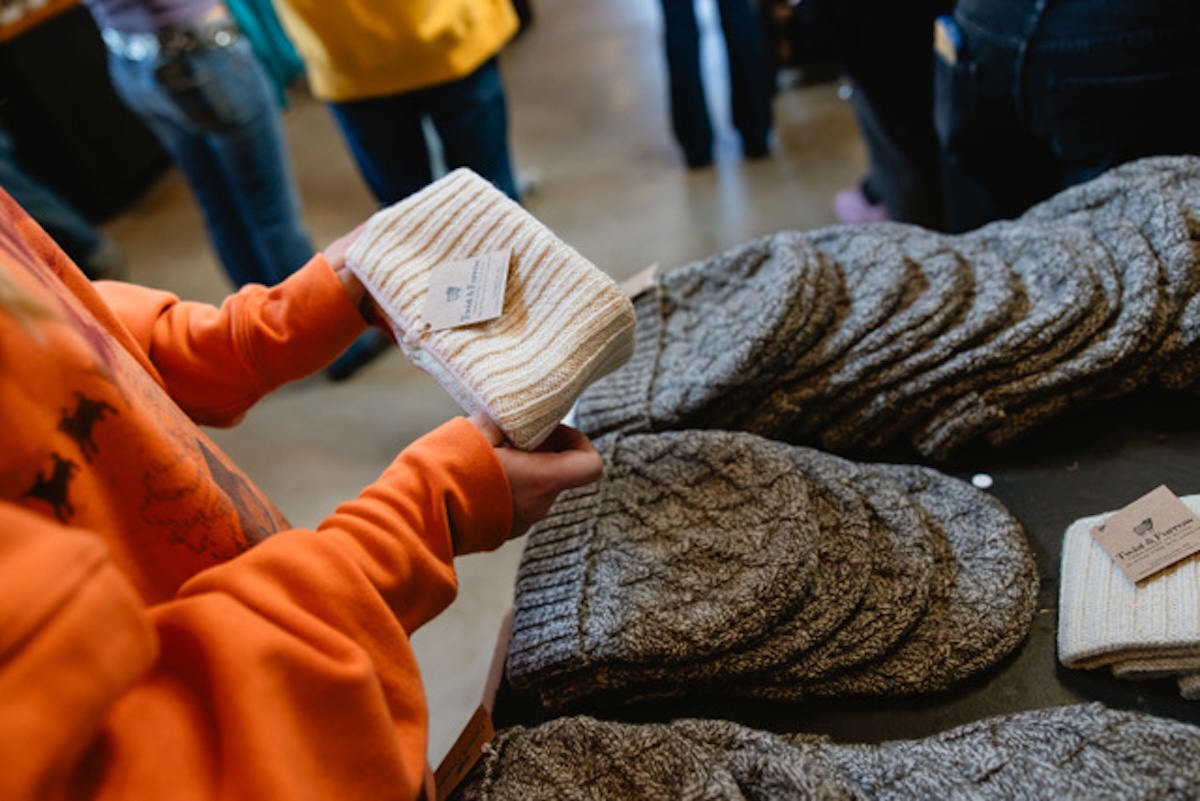
More than 40 vendors from within 50 miles will sell yarn, roving, natural dyes, wearables, home goods and fiber art. It is holiday shopping where you can ask the maker how the thing was made. For more local makers, see our look at the Made in Philadelphia Fall Market.
Demonstrations cover the spinning wheel, weaving, machine sock knitting and the drop spindle. Small pay-as-you-go workshops include needle felting with Holly Guertin, drop spindle with Jason Paris and visible mending with Pion Decker. You can also bring a project of your own and work alongside other makers.
Kids get a corner with sensory bins and free make-and-take crafts. Woods Services runs a Sensory Space, a quiet room where a few guests at a time can touch and smell natural fibers. A raffle and silent auction round out the day.
The Gallery Behind Philly Fiber Fest
The fiber art exhibition, presented by Sycamore International, opens December 4 and stays up through January 9. It shows work by local fiber artists, and 25% of sales benefits PA Fibershed. It pairs well with the InLiquid fiber arts exhibition we covered earlier.
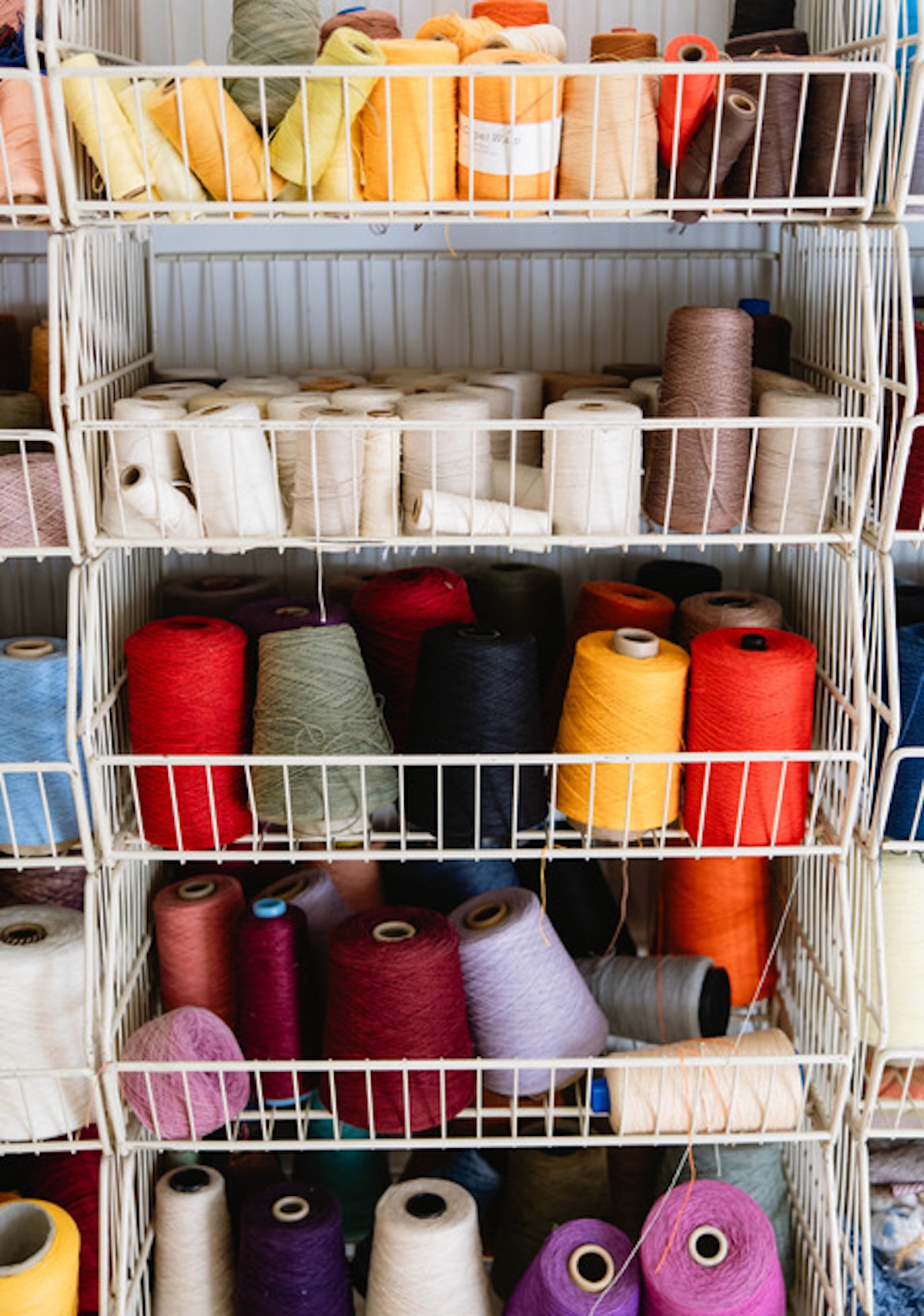
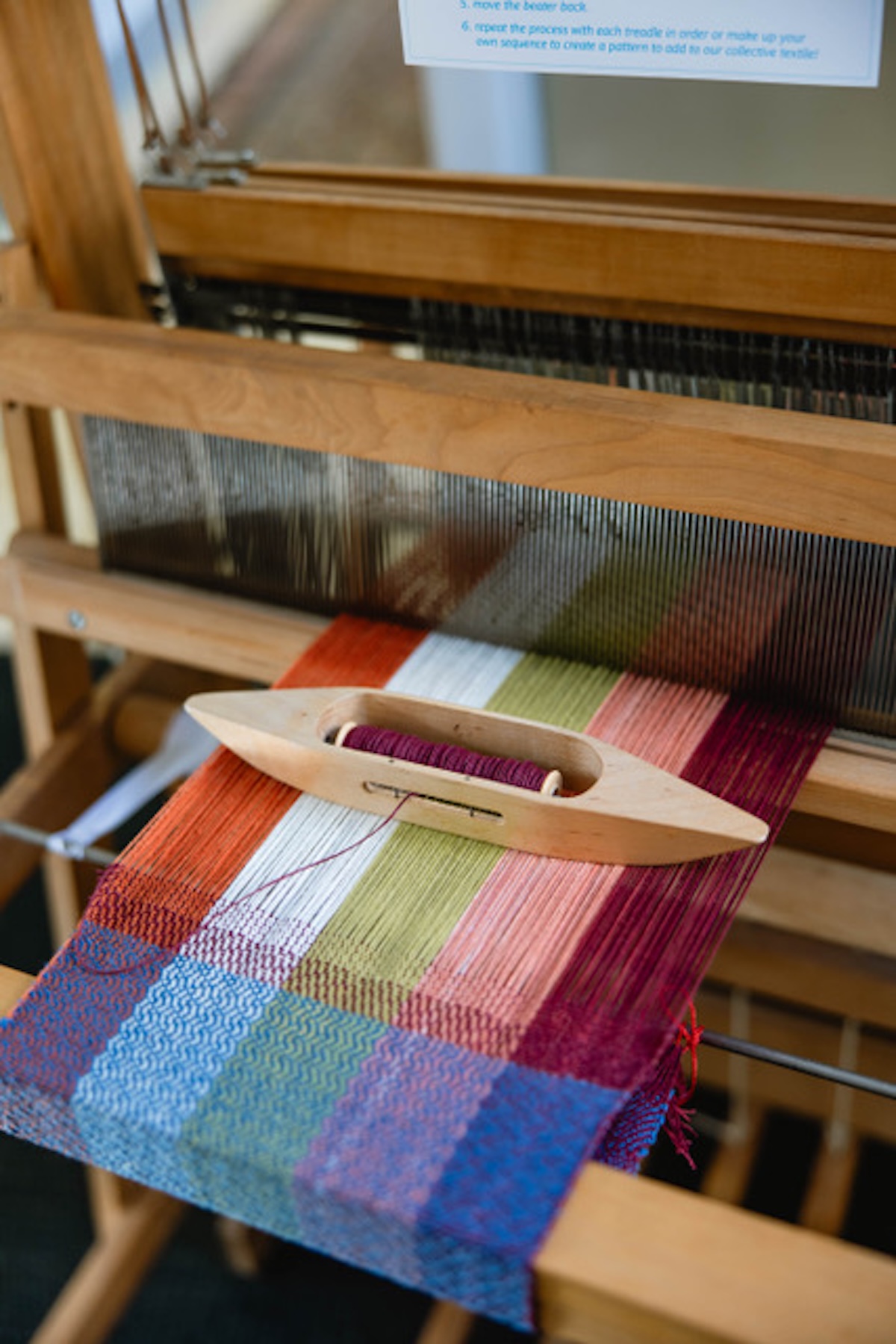
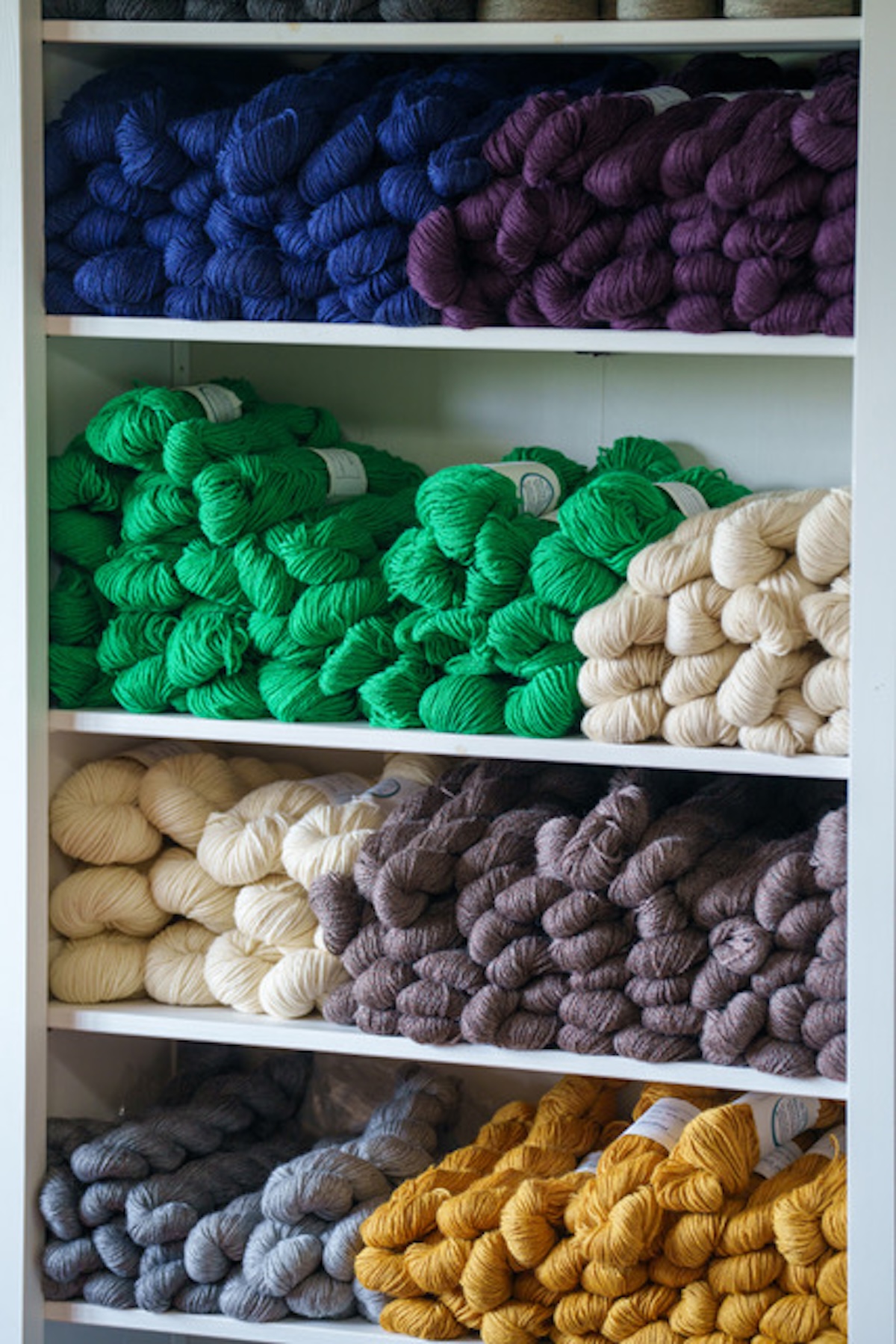
PA Fibershed says the building once housed the Philadelphia Textile School, established in 1884 to train the next generation of textile workers. Philadelphia was once called the Workshop of the World, with whole neighborhoods built around spinning, weaving, dyeing and sewing.
Then the mills closed, the work moved overseas and the skills went with it. PA Fibershed, a nonprofit working to rebuild a regional textile economy, wants to put farmers, mills, designers and shoppers in the same room. Many of them work a few miles apart and have never met.
A textile trade runs on people who know each other, from the farmer to the spinner to the weaver. It comes back one introduction at a time, and a Saturday in a building that once trained students for the work is a fair place to start.
About Post Author

Discover more from dosage MAGAZINE
Subscribe to get the latest posts sent to your email.
