

Spirits of Independence opens a four-part lecture and tasting series this fall, with PhilaLandmarks pairing colonial-era drinking history to the exact houses where it happened. Each installment sits inside a different historic property, paired with a scholar, an author, or a brewer who’s spent years on that specific corner of colonial drinking culture.
Spirits of Independence Opens With Wine at Grumblethorpe
The series begins September 18 at Grumblethorpe, the 1744 estate built by wine merchant John Wister, who imported wine from his native Germany and made fruit wines on the Pennsylvania property himself. Wister wasn’t just a merchant; he was Benjamin Franklin’s landlord and personally sold him wine. Scholar David Hancock, an authority on the colonial wine trade, leads the talk, with a tasting of relevant wines included.
Madeira Takes Center Stage at Hill-Physick House
October 16 moves to Hill-Physick House, built by patriot and Madeira importer Henry Hill. Madeira made up the vast majority of wine imported into the colonies during the revolutionary period, poured in homes and taverns across every colony.
Mannie Berk of the Rare Wine Company and Aaron Nix-Gomez have spent nearly 15 years tracing how Madeira was bought and consumed in 18th- and 19th-century America, and they’ll unpack that history together at the house Hill actually built.
Porter and Robert Hare’s Lost Recipe at Powel House
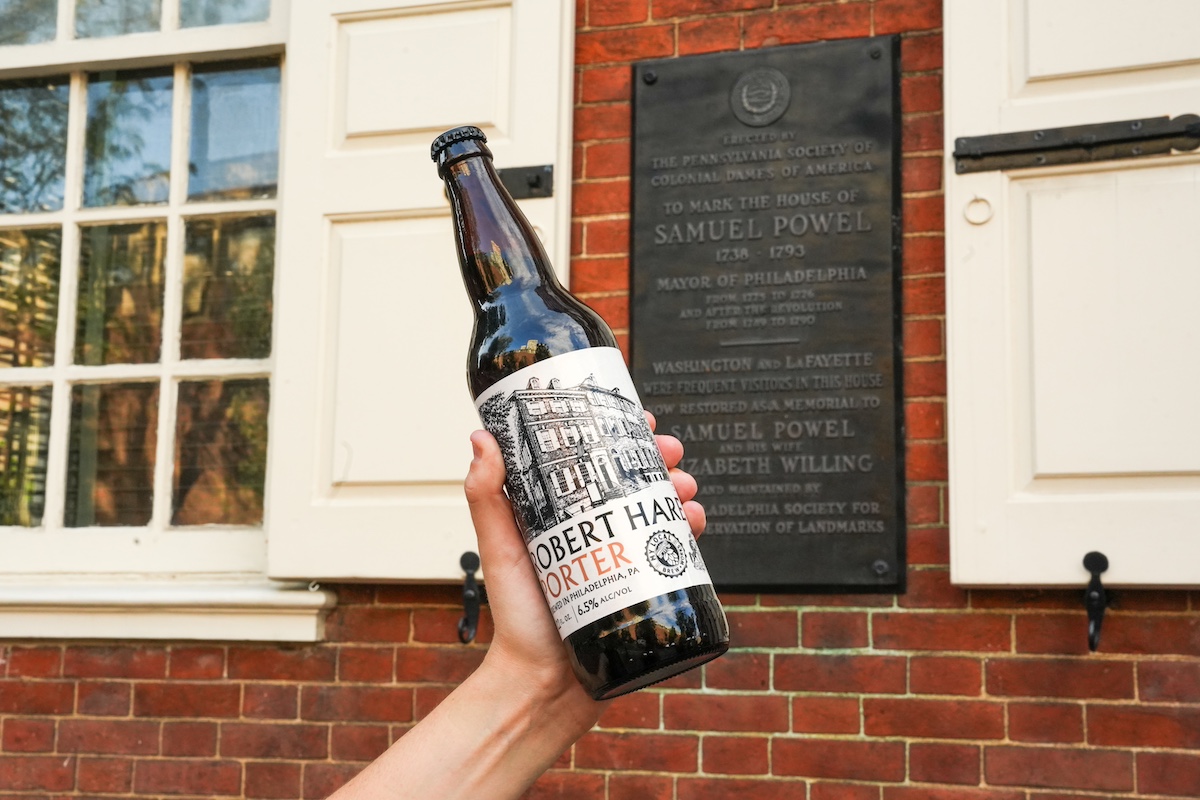
The Powel House installment on November 20 centers on porter, the brew of choice for much of colonial Philadelphia. The Powel family connected directly to Robert Hare, the era’s most renowned porter brewer, through marriage into the Willing family.
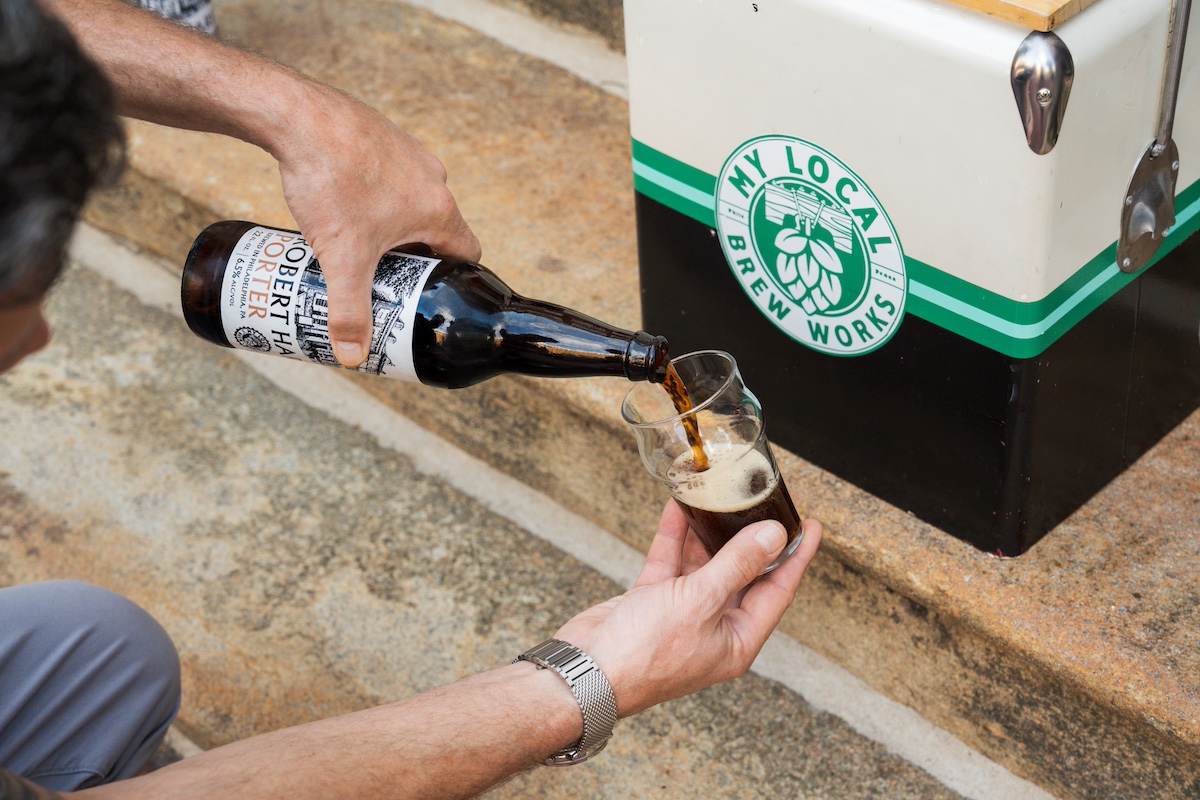
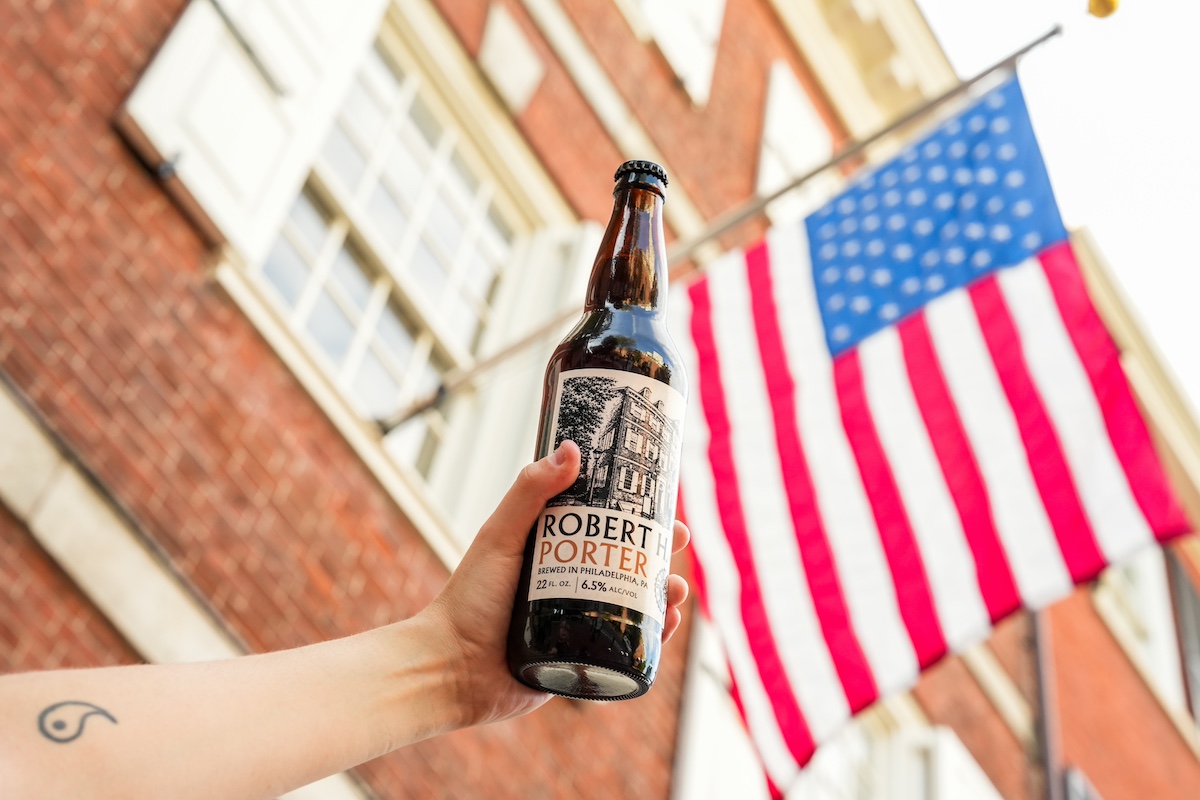
Steven Grasse, author of Colonial Spirits: A Toast to Our Drunken History and the entrepreneur behind Hendrick’s Gin and Sailor Jerry Rum, leads the talk. Guests taste, and take home, a colonial-style porter that My Local Brew Works recreated from Hare’s famously elusive recipe.
Rum and the Continental Army Close Out Spirits of Independence
The series closes December 13 at Historic Waynesborough, home of General Anthony Wayne, who traded animal hides for rum to keep his Continental Army troops supplied. Jordan Smith, author of The Invention of Rum, walks through the colonial rum trade’s actual mechanics, with a tasting built from a historic rum punch recipe.
“Deeply entwined in the history of Philadelphia, and our country, are the drinks that early civilians produced, imported, exported, and consumed,” said PhilaLandmarks‘ Executive Director Kayla Anthony. Tickets run $82 per event or $216 for the full four-event bundle, 21 and over only, part of the same historic-house programming that’s already brought tastings to venues like the German Society this year.
Reading about what people drank in 1776 is one thing. Standing in the actual house where a specific recipe was actually brewed, holding a glass poured from it, is a different kind of history lesson entirely, and it’s the one Spirits of Independence is actually built to deliver.
Images: Quaker City Mercantile
About Post Author
Discover more from dosage MAGAZINE
Subscribe to get the latest posts sent to your email.
