
Future Past Present is the exhibition Philadelphia needs right now — opening May 29 at the InLiquid Gallery, in the year the city hosts America’s 250th birthday, asking which version of that history actually gets told. Future/Past/Present, a new multimedia exhibition running through July 11 at 1400 N. American Street, brings together seven Philadelphia-area artists to examine the United States through the histories it has forgotten, the timelines that didn’t happen, and the decisions that will shape what comes next.
Future Past Present is part of The Clay Studio’s Radical Americana initiative — a citywide effort uniting Philadelphia arts and culture institutions through research-driven contemporary work timed to the Semiquincentennial. The curatorial logic is tight: overlapping timelines, both historical and imagined, tracing how memory, power, and identity shape the American experience. Portraits honor individuals whose histories have been erased or forgotten. Sculptures reframe political figures and question authority. Artifacts from alternate timelines invite the question of which choices, made differently, might have reshaped everything. It’s a significant program for a city with Philadelphia’s symbolic weight.
The Artists and Works in Future Past Present at InLiquid
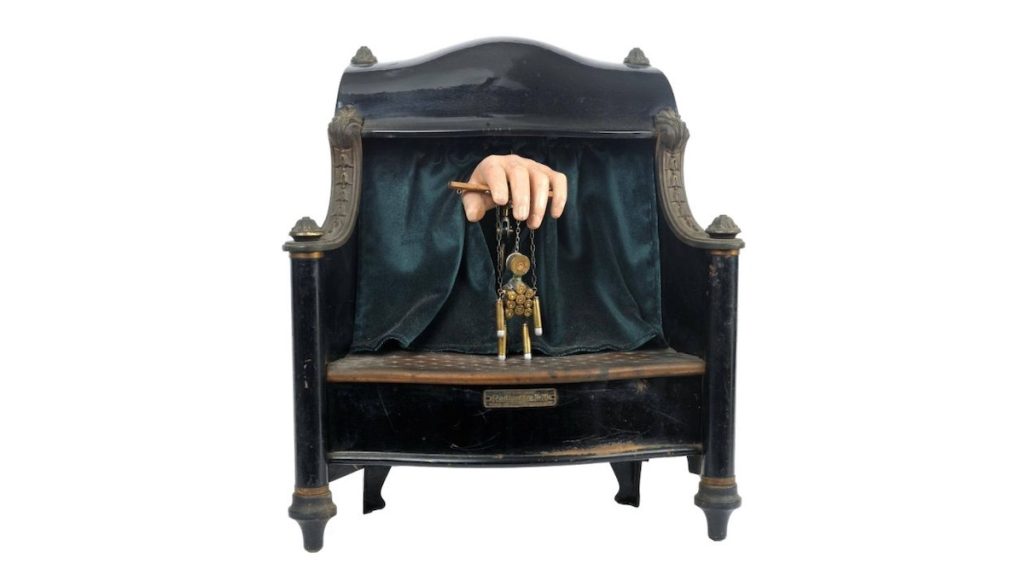
Seven artists, seven distinct approaches to the central question Future Past Present is asking. Randall Cleaver builds dioramic mechanical sculptures from discarded materials — objects that move, make machine sounds, and carry what he calls “the sense of history in timepieces.” That he’s an artist whose entire practice is about timekeeping feels like curatorial precision in a show called Future Past Present.
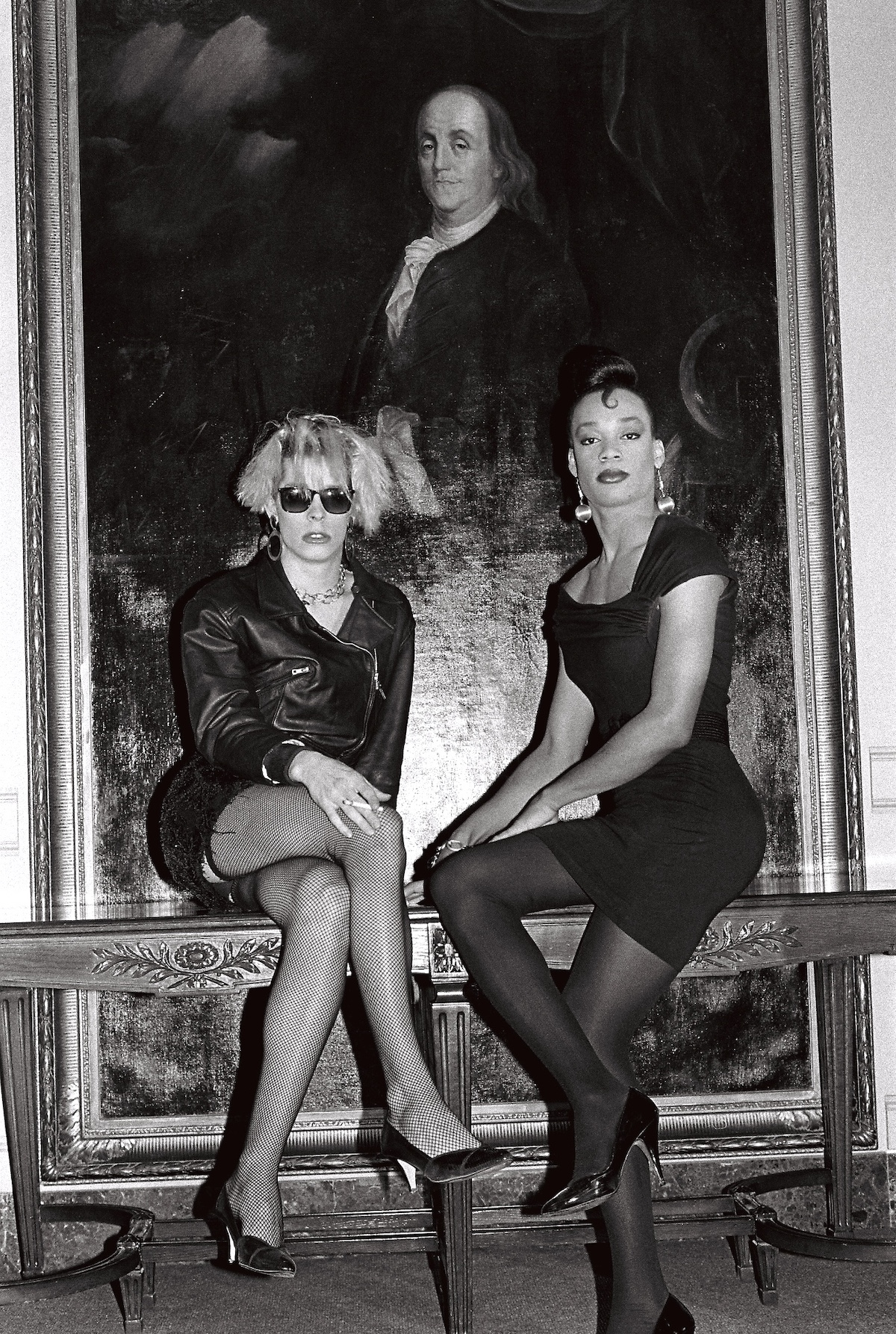
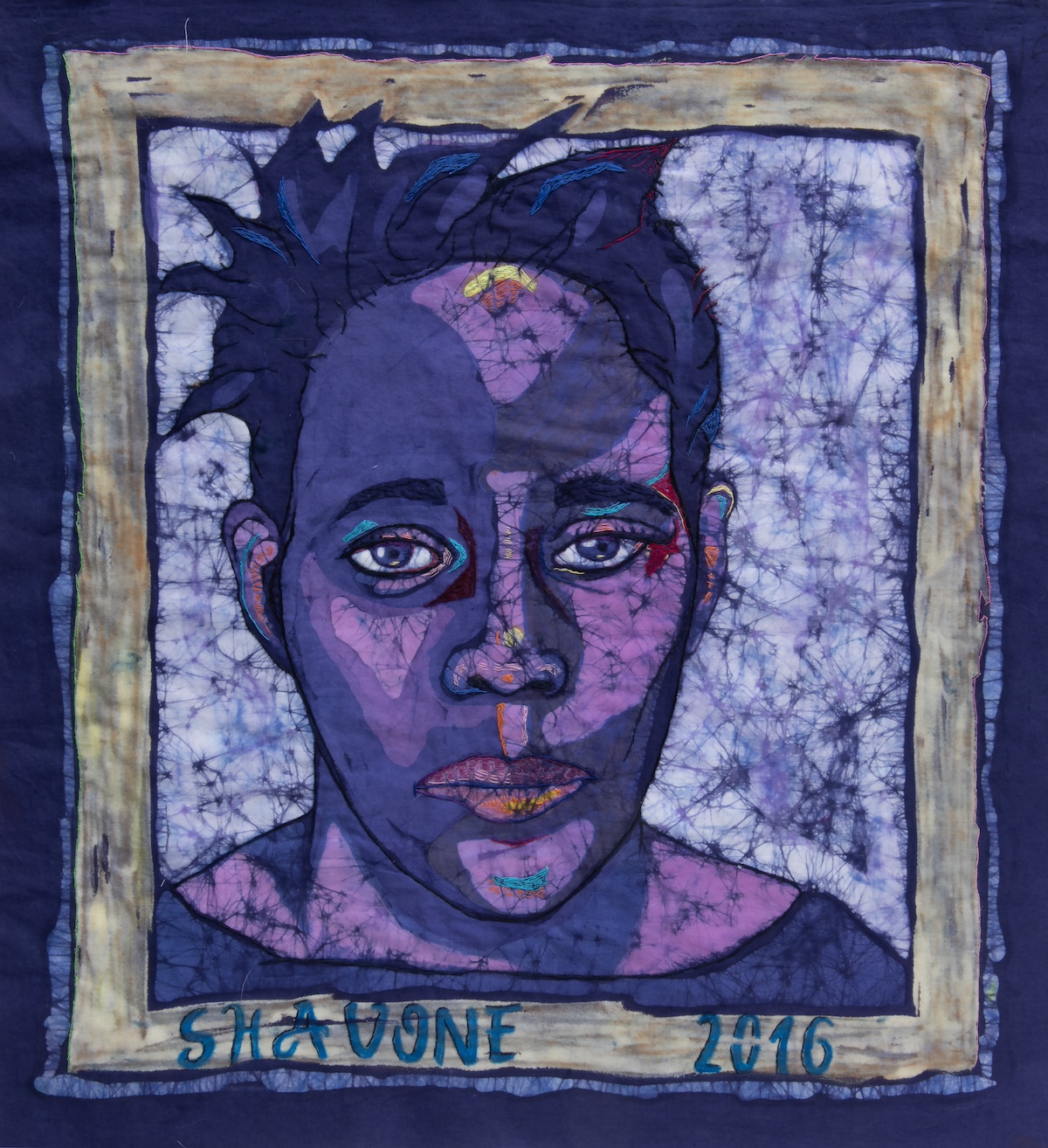
Billy Colbert works through layered compositions drawing from pop culture and political references to examine the complex and continuing struggles of Black America. Carolyn Harper hand-sews quilted portraits of incarcerated people, many serving life sentences without parole — the deliberate tension between the warmth of the domestic medium and the severity of the institutional subject is the work. Candace Karch’s photography documents Philadelphia’s drag performance scene in the late 1980s and early 1990s — a body of work that functions as both community archive and art history, preserving a culture that institutional memory has largely passed over.
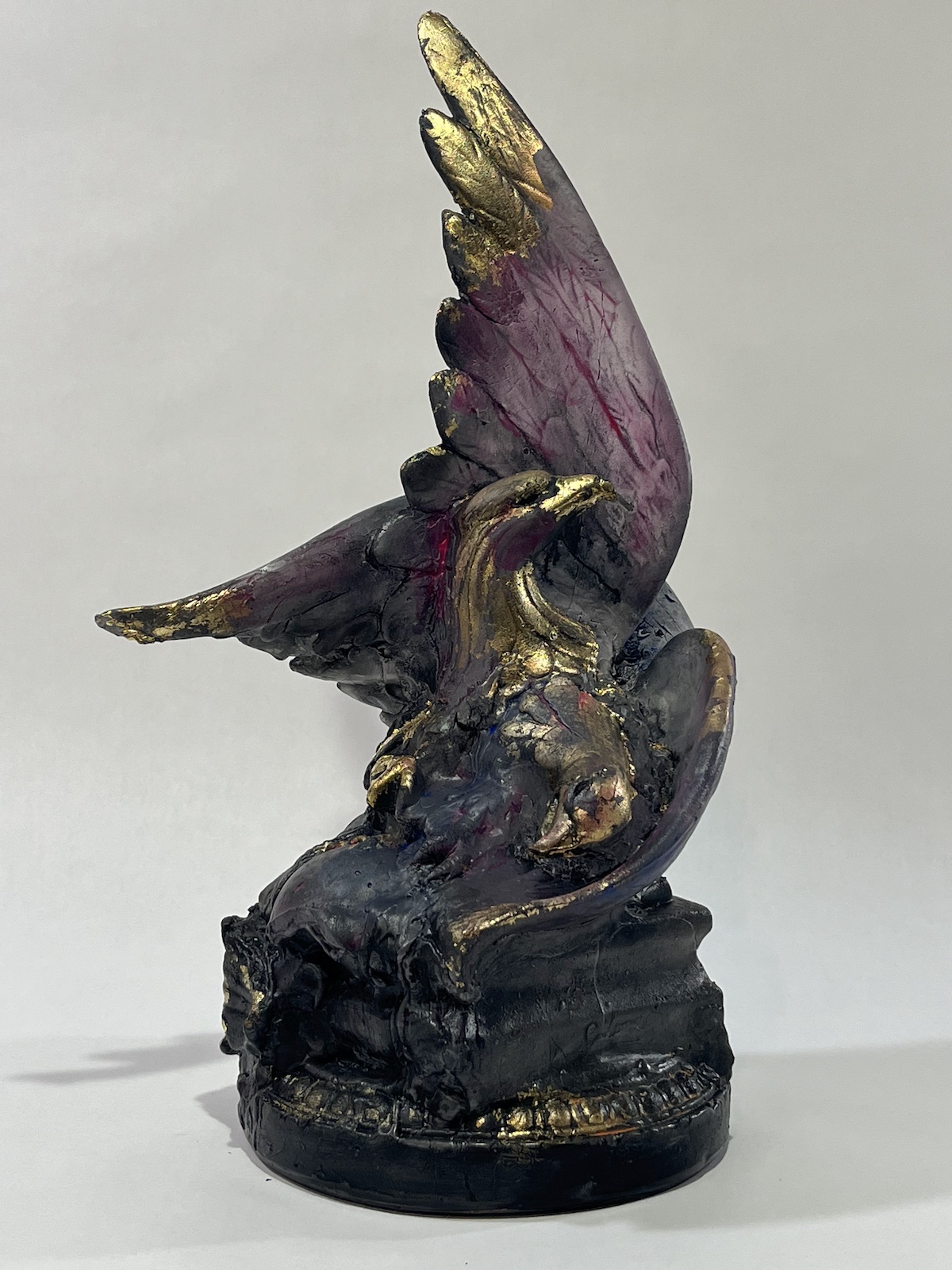
James Labold makes glass sculptures that manipulate the forms of American iconography — consumer objects, national symbols, mythological touchstones — investigating what the country chose to celebrate and what that choice reveals about identity. Carole Loeffler works in repurposed textiles and fibercraft to explore the erasure of women’s history, using the materials of domestic labor to reclaim the stories that labor has historically obscured. And Benjamin B. Olshin makes artifacts for realities that didn’t happen: a passport for the Republic of Texas, reimagined maps, objects that could not exist within our own timeline. His “Alternate Worlds” series is the show’s most speculative work — and in a show explicitly asking what America could have become, it may be the most central.
Future Past Present at InLiquid: Dates, Receptions, and the Radical Americana Frame
Future Past Present is on view May 29 through July 11, 2026, at the InLiquid Gallery in the Crane Arts Building at 1400 N. American Street, Wednesday through Saturday from noon to 6 p.m. Two public receptions are scheduled: June 11 and July 9, 6 to 9 p.m., both free and open. RSVP via InLiquid’s events page.
The Radical Americana initiative is the broader frame. Organized by The Clay Studio and spanning multiple Philadelphia cultural institutions, the program uses America’s 250th anniversary as a prompt for exhibitions that go beyond the celebratory — research-driven contemporary work that takes the anniversary seriously enough to ask the harder questions about what the country has built, what it has lost, and what it still owes. InLiquid’s March for Art 2026 earlier this year gave a sense of the organization’s range; Future Past Present is working in a sharper register.
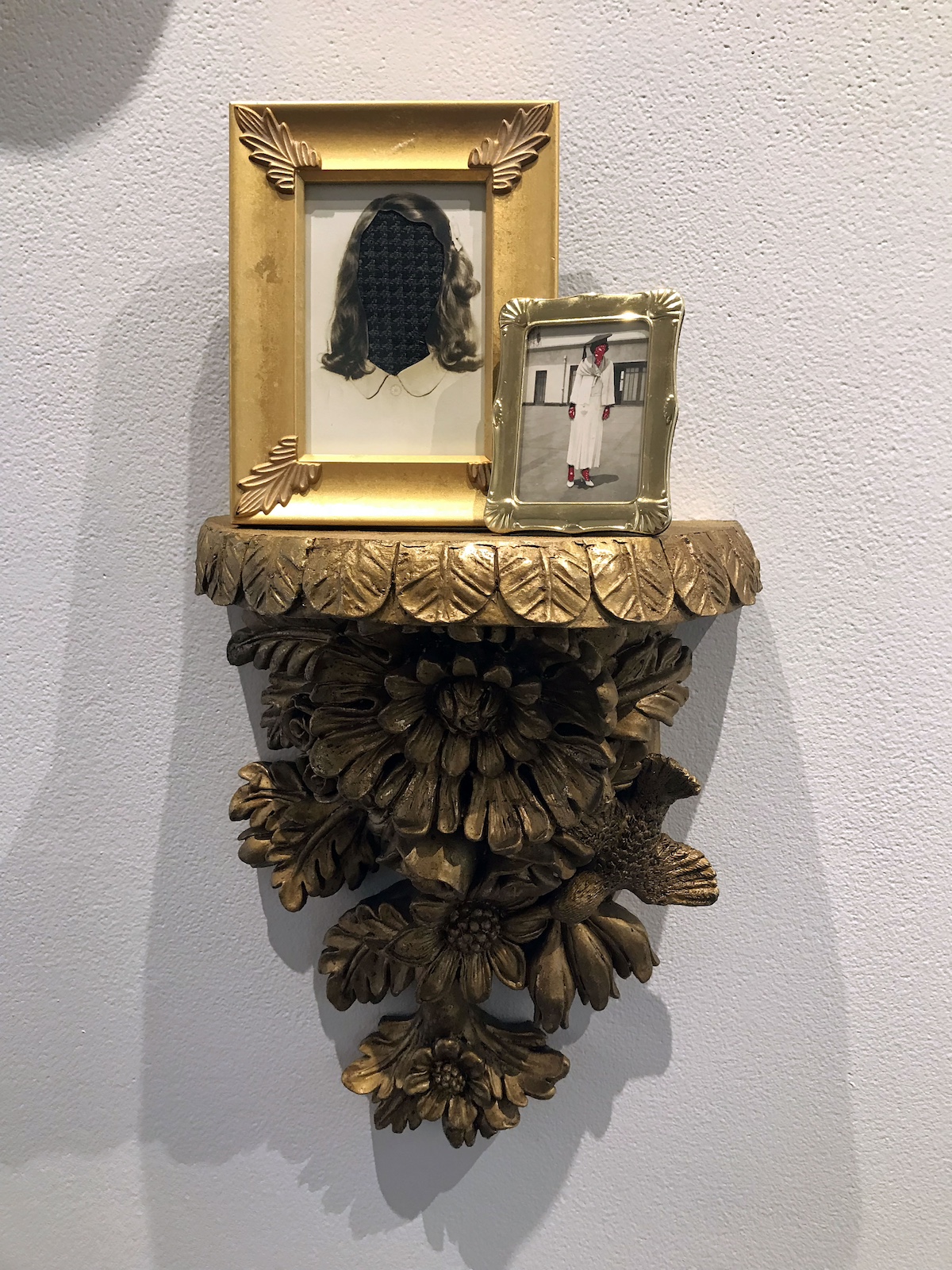
For a city that has been hosting the founding mythology of American democracy since 1776, there’s something fitting about having an exhibition that treats that mythology with the skepticism it deserves. The same season that brings you a gathering of goats at the Crane Arts Building also brings you seven artists who have spent serious time examining what America has forgotten, what it might have been, and what it still has the chance to become. Future Past Present opens May 29. The first reception is June 11. Show up before then and walk in on a Wednesday.
Images courtesy InLiquid.
About Post Author
Discover more from dosage MAGAZINE
Subscribe to get the latest posts sent to your email.
