

A family walks into an apartment with a signed lease and nothing to put in it. No sheets, no pot for boiling water, no shower curtain. The distance between the keys and anything that makes a room livable is the part of leaving a Bucks County homeless shelter that almost nobody budgets for.
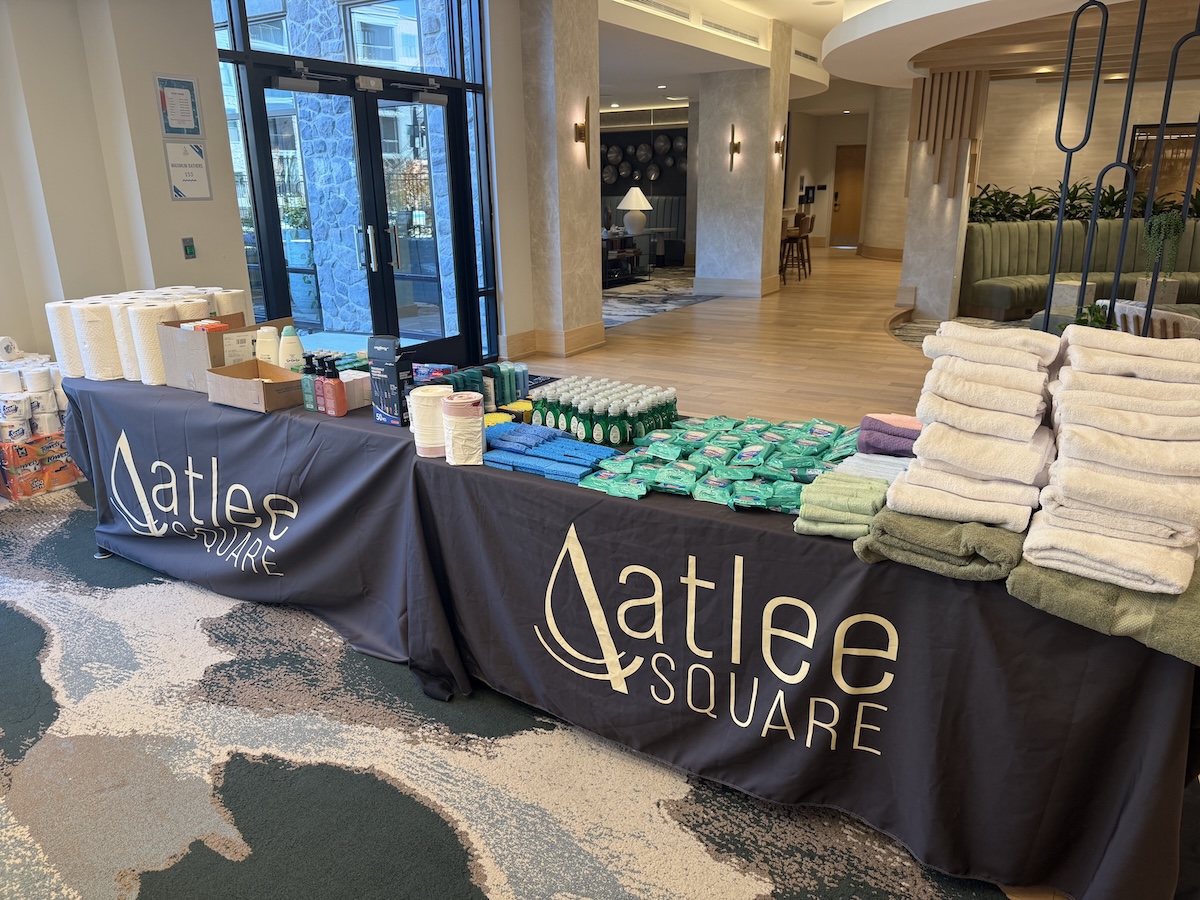
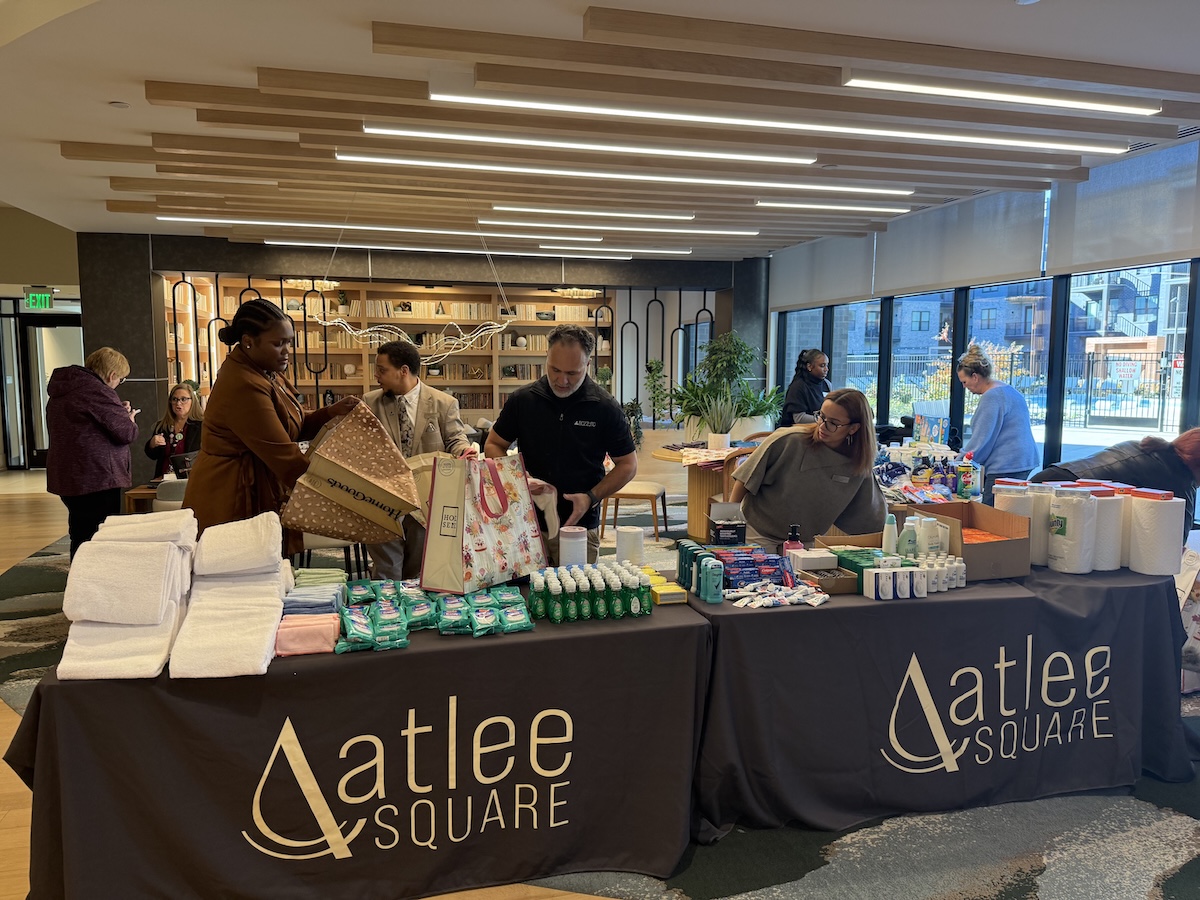
Residents and staff at Atlee Square, an apartment community on Middletown Boulevard in Langhorne, spent the afternoon of November 19 packing Welcome Home Kits for households in exactly that position. The kits hold basic household goods and go to people moving out of Bucks County Emergency Homeless Shelter and into permanent housing.
What Happens After the Bucks County Homeless Shelter
Case managers at the Bucks County homeless shelter call it the second step, and it carries the least money of any part of the process. Rental assistance and housing vouchers are built to cover a lease. They do not cover a mattress, a set of towels, a can opener or a lamp.
A household that arrived with what fit in a car has to furnish an empty apartment from nothing, and the bill lands in the same month as a first rent payment and a utility deposit.
This is not specific to Bucks County. Across the region, the work runs from affordable housing conversions like the former Liberty Hotel in Philadelphia to Thanksgiving meal service in Center City, and down to kit drives in suburban apartment buildings. Same arithmetic, different currencies.
The Numbers Behind the Bucks County Homeless Shelter
Bucks County counted 333 people experiencing homelessness on the night of January 26, 2026. One hundred forty-one were in emergency shelter and 81 in transitional housing. Another 111 were unsheltered, 27 of them outdoors and 84 in seasonal Code Blue beds.
Ninety-three were children under 18. At 28 percent of everyone counted, that single figure reframes the whole tally.
Those 84 Code Blue beds exist partly because of the date. Seasonal cold-weather shelter opens when temperatures fall far enough, and the federal count is taken in January, so the tally lands on a night when Bucks has more emergency capacity open than it does across most of the year.
The total fell 21 percent from the 421 counted a year earlier, which reads like progress and partly is. In the same count, chronic homelessness rose 9 percent to 82 people and the number of veterans experiencing homelessness doubled, back to where it sat in 2024. The easier cases moved. The hardest ones stayed put.
What the Bucks County Homeless Shelter Runs
Family Service Association of Bucks County operates the Bucks County homeless shelter. It stays open 24 hours a day, every day of the year, and holds roughly 75 people at a time, about a third of them children.
Set that against the count. On January 26, 141 people across the county were in emergency shelter. One organization accounts for something close to half of them on a typical night.
The same organization runs the county Housing Link helpline at 1-888-50-BUCKS, which is where anyone in Bucks facing a housing crisis starts. It also runs a Housing First case management program for chronically homeless adults, including people managing co-occurring conditions.
A Langhorne Apartment Community Backs the Bucks County Homeless Shelter
Atlee Square was developed by Cornerstone Tracy and is managed by Bozzuto. Residents, prospective residents and the leasing team worked through the afternoon alongside shelter representatives, sorting household goods and packing them into kits.
Shelter staff were on hand to describe what leaving the Bucks County homeless shelter looks like from the inside, which did more work than the packing did. Donated goods are easy to picture. A family’s first week in a place of its own is not.
Why the Bucks County Homeless Shelter Is Down the Road
Family Service Association keeps its offices at 4 Cornerstone Drive in Langhorne. Atlee Square sits at 200 Middletown Boulevard. Same town, same five digits. Charitable drives organized from a distance tend to produce what the donors imagined was needed. Ones organized from inside the same ZIP code produce what somebody a few streets over said they ran out of, and the difference between those two outcomes is the difference between a donation and a neighbor.
About Post Author

Discover more from dosage MAGAZINE
Subscribe to get the latest posts sent to your email.
