

InLiquid opens No Other Place to Go on September 4, an exhibition bringing together five photographers who use the medium to document environmental change and confront ecological loss. The South Kensington gallery’s show runs through October 17, with public receptions September 10 and October 8, both 6 to 9 PM, RSVP recommended. Rather than presenting a single unified statement, the show lets five distinct bodies of work sit side by side, each approaching the same broad subject from its own material and conceptual angle.
No Other Place to Go features Anita Allyn, Richard Boutwell, Laura Krasnow, Kaitlin Pomerantz, and Emma Ressel, and is curated in conjunction with the 20/20 Photo Festival, a citywide celebration of photography bringing together Philadelphia’s photo community through exhibitions, educational programming, and a book fair. Together, the five artists treat photography as both evidence and expression, using it to make environmental data feel like lived experience rather than a set of statistics.
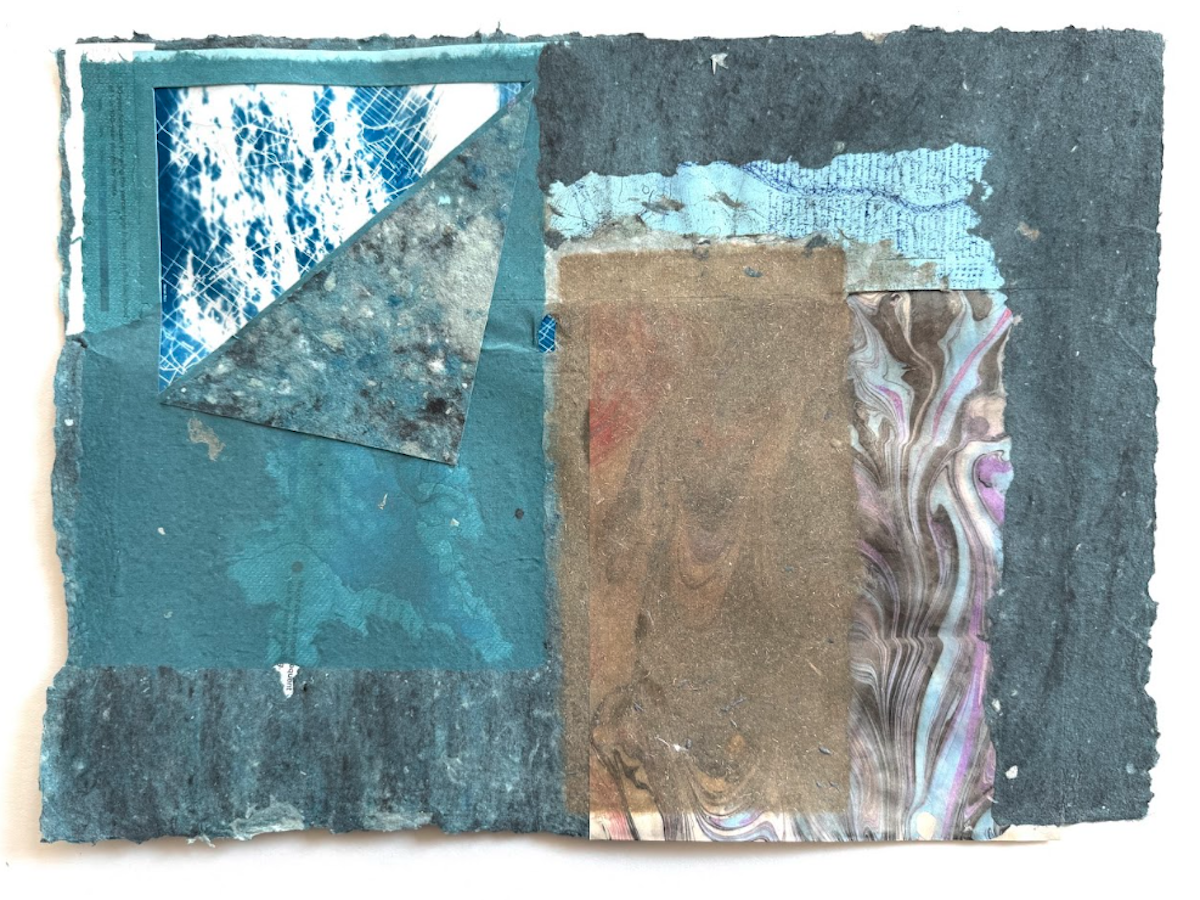
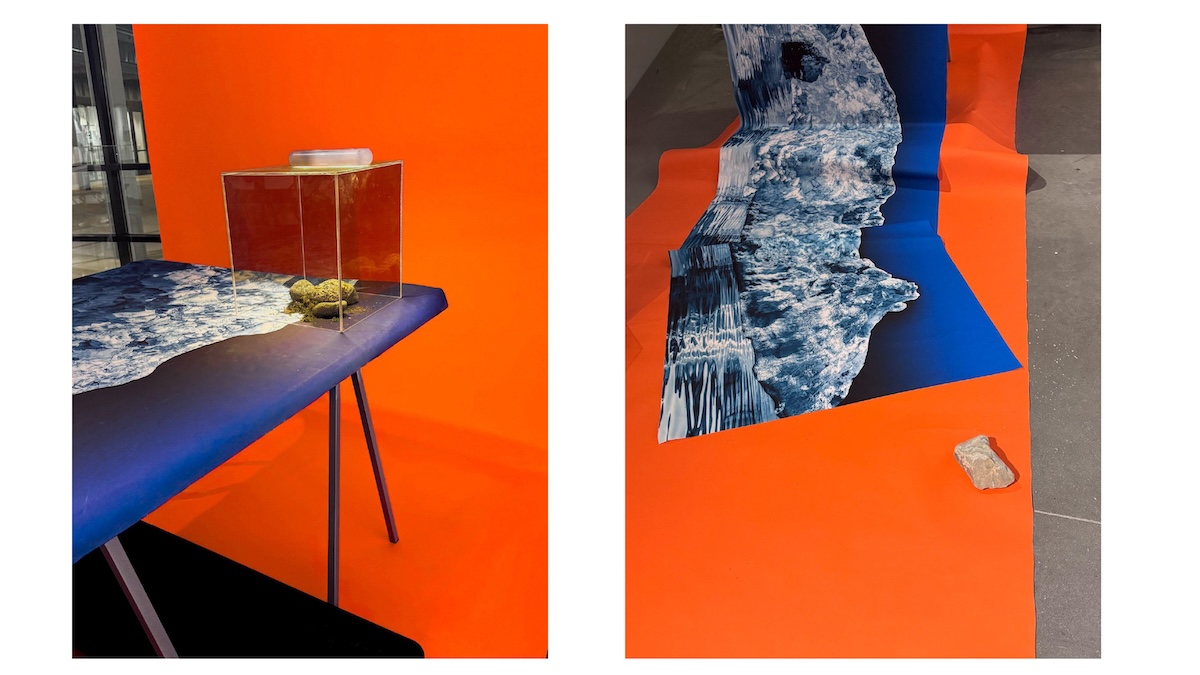
Top: Kaitlin Pomerantz “Likelihood (buried creeks series)”
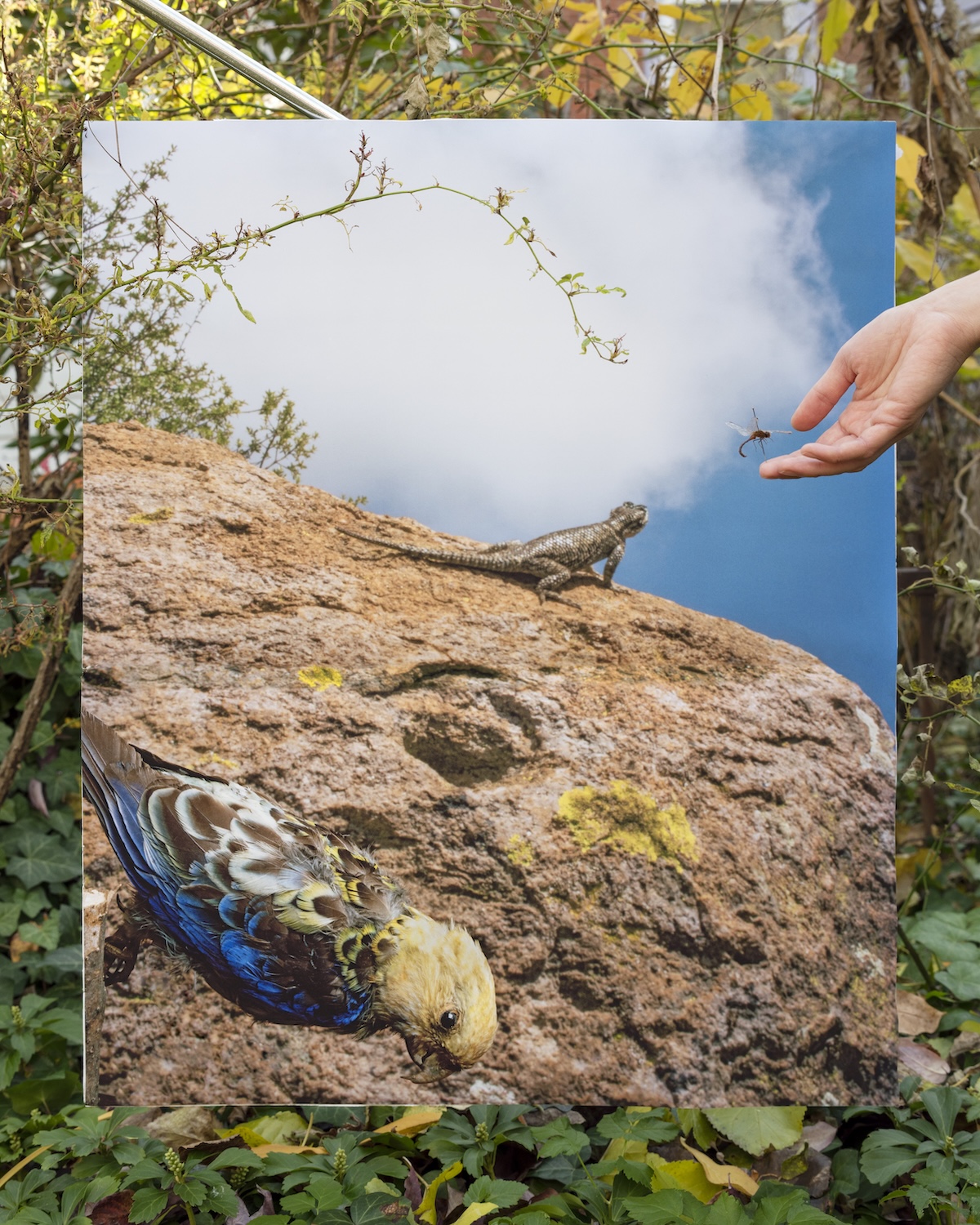
Bottom: Emma Ressel “Approximate Encounters”
No Other Place to Go: Five Artists, Five Approaches to Ecological Loss
Allyn’s new series, Nature, Assembled, combines photography with living specimens, geological materials, and museum displays to examine how nature gets collected and classified. Boutwell’s Reclamation: Deadpool turns to Lake Mead, using the reservoir’s white mineral “bathtub ring,” left behind as water levels decline, as a visual record of a system under stress that still supplies millions. The piece connects historical water policy decisions directly to the scale of what’s visible on the rock today.
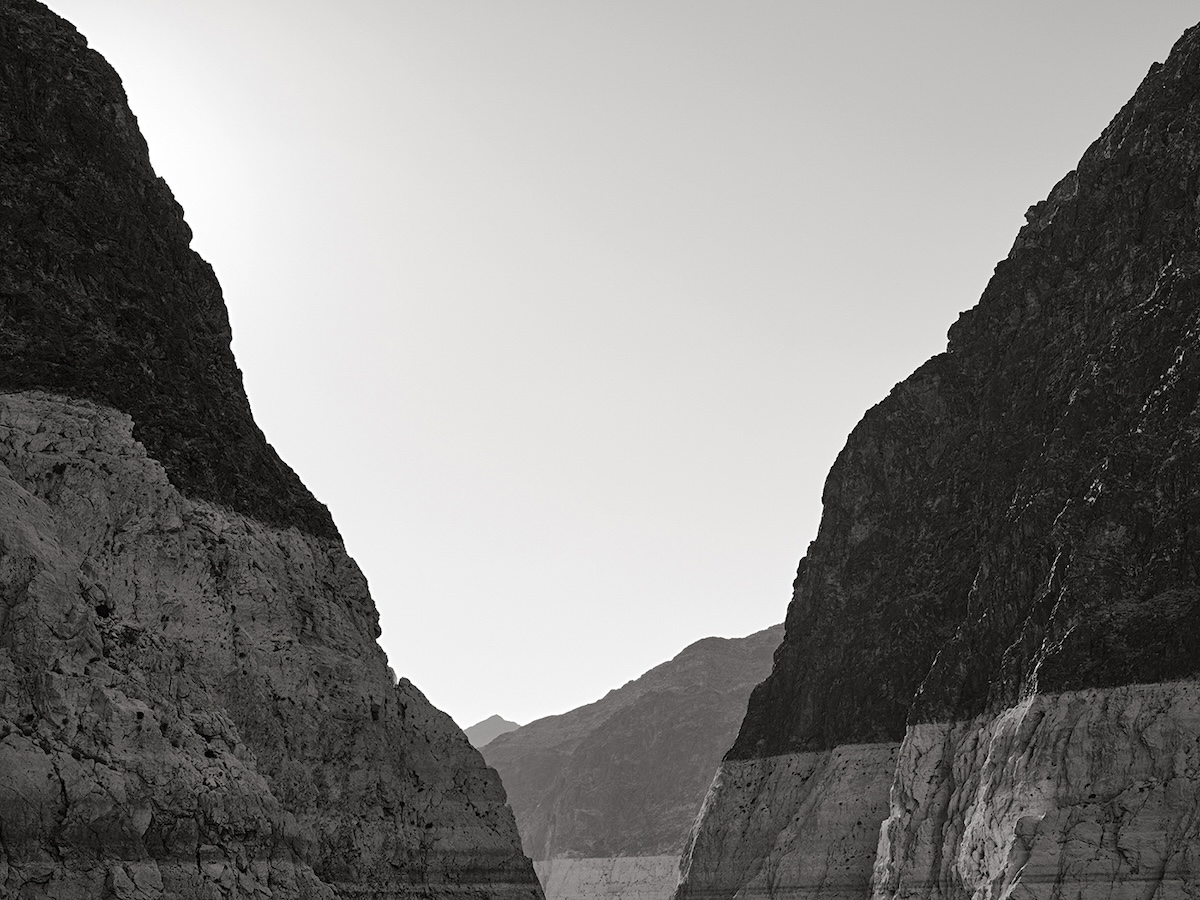
Left: Richard Boutwell “Boulder Canyon, Lake Mead, 2021”
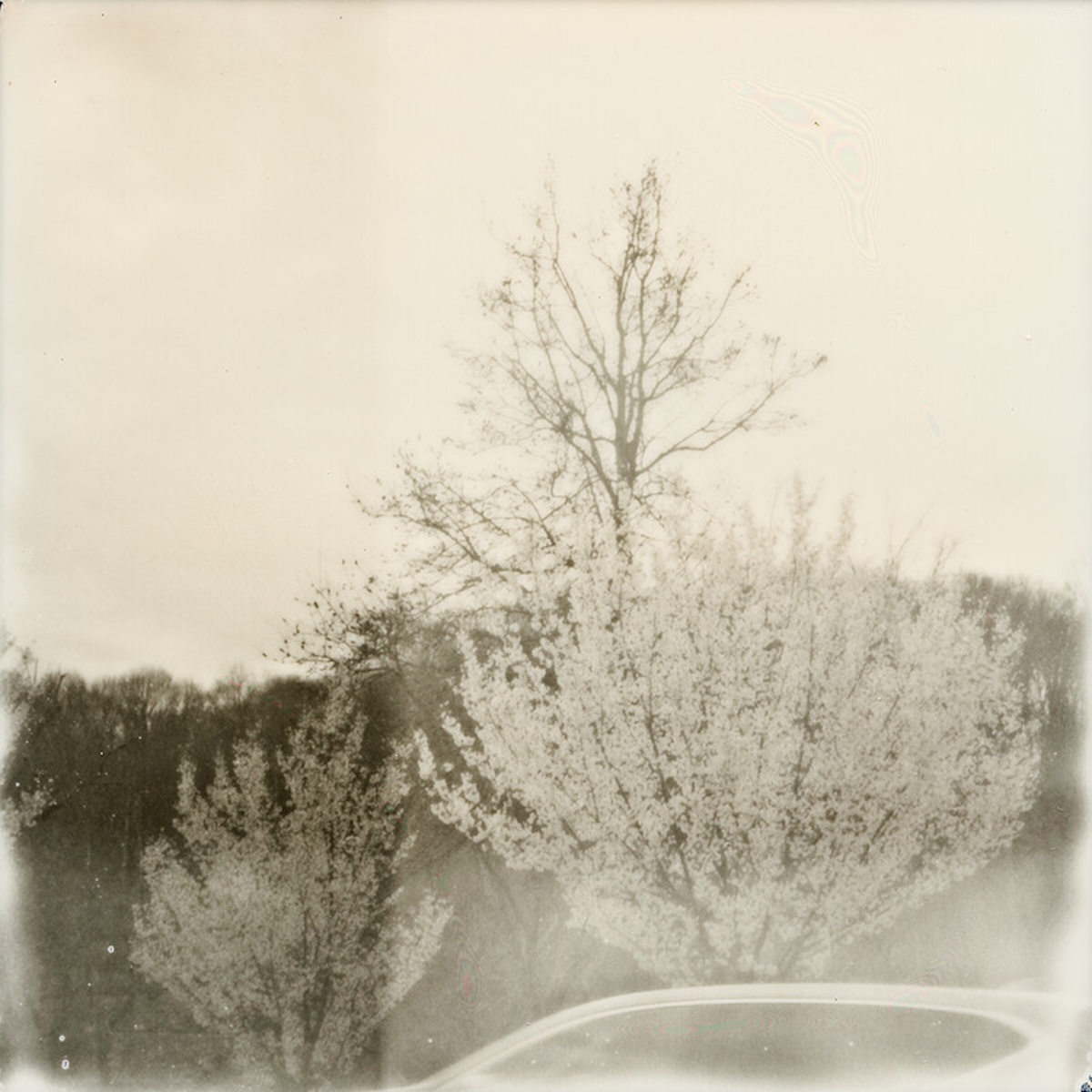
Right: Laura Krasnow “Undergrowth 5”
Krasnow’s And Then There Were None series is shot on expired Polaroid film, letting the material itself fade and distort as a stand-in for forest loss from agriculture, urban expansion, mining, and logging. The instability of the film becomes part of the argument: a medium that visibly deteriorates over time, documenting landscapes that are doing the same thing in real life.
Pomerantz’s contribution maps Philadelphia’s buried creeks, more than 300 miles of waterways reduced by over 80 percent since colonial settlement, pairing archival images with text from Toni Morrison. As the city’s hardscape and sewer systems increasingly strain under heavier rains, her work asks what it means for water to remember, and what gets left behind when it does. Ressel’s staged, diorama-style photographs round out the show, exploring Shifting Baseline Syndrome, the way each generation quietly resets its own sense of what a healthy landscape looks like.
No Other Place to Go follows InLiquid’s New Now IX as the gallery’s latest major exhibition, continuing its run as one of Philadelphia’s steadiest homes for work that treats environmental and social change as material worth returning to rather than a single news cycle. It also marks InLiquid’s most direct tie yet to the 20/20 Photo Festival, folding the gallery’s programming into a citywide conversation about what photography in Philadelphia is doing right now.
With two receptions spaced more than a month apart, No Other Place to Go gives Philadelphia two separate chances to sit with the show, once at opening and again as the work has had time to settle into the space. That gap also gives the gallery room to layer in 20/20 Photo Festival programming around the exhibition as the citywide event unfolds. Which version leaves a longer impression may depend on which night you go.
Why No Other Place to Go Matters for Philadelphia Photography
No Other Place to Go also marks one of the largest climate-focused shows InLiquid has mounted to date, giving the gallery a clear stake in a conversation Philadelphia institutions have only recently started treating as core programming rather than occasional special-topic exhibitions.
About Post Author
Discover more from dosage MAGAZINE
Subscribe to get the latest posts sent to your email.
